Ultra-high purity process piping systems are a production-enabling utility, not merely a way to move fluid or gas. In semiconductor facilities, the piping network must deliver a defined medium while minimizing particles, moisture, extractables, dead-volume risks and uncontrolled changes between the source and the process tool. That makes material selection, joining, cleaning, documentation and installation discipline equally important.
This guide gives project teams and buyers a practical framework for specifying ultra-high purity process piping systems, high purity process piping, high purity piping systems and high-purity piping. It is an engineering and procurement overview; the governing facility specifications, safety rules and qualified process procedures always take precedence.
What “high purity” means for a piping system
Purity is not a single material label. It is the ability of a complete system to preserve the required quality of its process medium from storage or generation through distribution and final connection. The acceptance criteria differ by service: ultra-pure water, inert gases, specialty gases, solvents and corrosive chemicals can demand very different pipe materials, valve designs, seals, joining methods and verification steps.
| System element | High-purity objective | What to control |
|---|---|---|
| Tube or pipe | Provide a clean, compatible flow path | Material grade, surface condition, storage, end protection and traceability |
| Fittings and valves | Maintain low-contamination, leak-tight connections | Wetted materials, seal design, dead volume and cleaning compatibility |
| Welded or fused joints | Create repeatable, inspectable connections | Qualified procedure, operator/equipment control and acceptance criteria |
| Installation process | Keep the system clean before commissioning | Handling, purge practices, clean work area and open-end protection |
| Documentation | Make quality decisions traceable | Material records, weld/fusion logs, inspection data and change control |
Start with the process medium and contamination budget
The right material is selected for the service, not for the industry name alone. A metal system can be appropriate for certain gas and water services; fluoropolymer systems can be chosen for many high-purity, corrosive chemical applications. The selection must be verified against chemistry, pressure, temperature, purity target, pressure-drop needs, code requirements and the owner’s approved material list.
Before choosing any component, define the operating envelope:
- Medium: gas, water, solvent, acid, alkali or other chemical; include concentration and impurity sensitivity.
- Operating conditions: normal and upset pressure, temperature, flow range and cycle frequency.
- Cleanliness target: particle, moisture, metallic, organic or ionic contamination concerns as applicable.
- System geometry: line size, branch strategy, drainability, purge points and required instrument connections.
- Maintenance plan: isolation, component replacement, flushing, sampling and requalification needs.
Materials and surfaces: specify the wetted path clearly
For many high-purity metallic applications, 316L stainless steel is commonly evaluated because it can be supplied with tightly controlled surface conditions. For high-purity chemical distribution, PFA, PVDF and related fluoropolymer materials may be evaluated for their chemical resistance and low-contamination characteristics. These examples are not universal selections: only a written compatibility review can confirm a wetted material for a particular chemical and process.
| Service question | Specification discussion | Why it matters |
|---|---|---|
| Is the medium chemically aggressive? | Review all wetted materials: tube, fitting body, valve diaphragm, seal and instrument connection. | The weakest wetted component can set the limit. |
| Is surface condition critical? | Define finish, cleaning/passivation or electropolishing requirements where applicable. | Surface condition affects particle retention, cleanability and documentation needs. |
| Is the line metallic or polymeric? | Use the owner-approved material family and joining method for that service. | Material changes can affect chemical compatibility, thermal behaviour and fabrication controls. |
| Are material records required? | State certificate, lot-control, marking and retention requirements at purchase stage. | Traceability is difficult to rebuild after installation. |
Geometry: reduce places where contamination can collect
A high-purity design considers more than nominal size. Unnecessary cavities, poorly planned branches, inaccessible low points and unsuitable valve configurations can complicate flushing, purging, drainage and maintenance. The design team should establish flow direction, isolation philosophy, sample points and future tie-in locations before fabrication begins.
Useful design questions include:
- Can the line be safely purged, flushed or drained as required by its service?
- Are dead legs and trapped volumes minimized in accordance with the project’s process rules?
- Can valves, filters and instruments be serviced without exposing a large system section?
- Are supports designed so that they do not stress delicate joints or damage clean surfaces?
- Does every change in material, fitting style or joining method have an approved engineering basis?
Joining and fabrication: repeatability is the quality control system
High purity piping systems depend on a joining process that is appropriate to the material family and service. Metallic tube systems may use controlled orbital welding where specified; fluoropolymer systems may use qualified fusion or fitting technologies. In both cases, the goal is a repeatable connection with defined set-up, controlled parameters, trained personnel and a documented inspection path.
The ASME BPE body of guidance is primarily associated with bioprocessing and hygienic fluid systems, but it illustrates the value of disciplined material, surface, fabrication and inspection requirements. It should not be treated as a substitute for a semiconductor facility’s specific piping specification.
| Before fabrication | During fabrication | Before handover |
|---|---|---|
| Verify drawings, material identity, end caps and approved joining procedure. | Control fit-up, cleanliness, purge/fusion parameters and joint identification. | Complete required inspection, leak testing, cleaning/flush records and turnover package. |
| Segregate incompatible materials and protect wetted surfaces from damage. | Record weld or fusion data where required; prevent open ends from collecting debris. | Confirm labeling, as-built information and change records for maintenance teams. |
Installation hygiene: protect every open end
A well-manufactured component can be compromised by poor field handling. Keep caps and bags in place until the latest practical moment, use clean tools and work surfaces, and define how temporary openings are sealed between shifts. Installation teams should understand which actions can introduce particles, fibers, oil, moisture or incompatible residues into the system.
For critical systems, the owner may require clean-area practices, controlled staging, nitrogen purge protocols, foreign-material exclusion measures and defined response procedures for an opened or damaged line. The exact requirements should appear in the installation specification rather than being left to informal site practice.
Inspection, testing and turnover records
Testing verifies that the built system matches the intended service, but the test method must fit the design and facility rules. Depending on service, a turnover package can include material certificates, weld/fusion logs, visual inspection results, pressure or leak-test records, cleaning/flush evidence, calibration records and as-built drawings. Establish acceptance criteria before construction so that teams are not trying to invent evidence at the final handover.
RFQ checklist for high purity piping components
- Service medium, concentration, operating pressure and temperature.
- Required purity/cleanliness objective and owner-approved material family.
- Tube or pipe dimensions, wall thickness and surface requirement.
- Fitting, valve, seal and instrument-connection configuration.
- Joining method, fabrication documentation and inspection requirements.
- Cleaning, end protection, packaging and storage instructions.
- Certificates, traceability, test records, quantity and delivery conditions.
Final takeaway
Reliable ultra-high purity process piping systems are built through a chain of controlled decisions: service-specific materials, clean geometry, qualified joints, protected installation and complete records. Treating high purity piping as a system—not a list of tubes and fittings—helps semiconductor facilities reduce avoidable contamination risks and makes future modifications more predictable.
Need support for a high-purity piping enquiry?
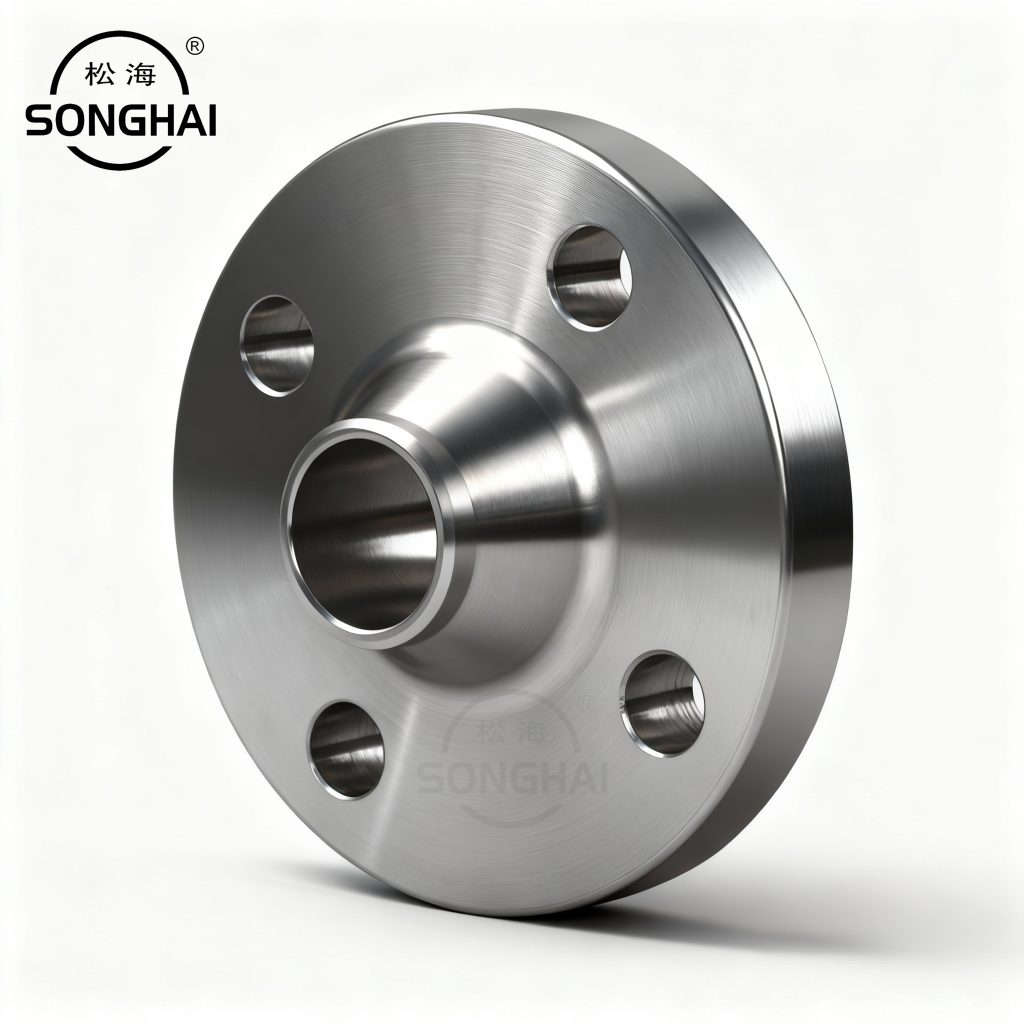
Songhai supports industrial projects with flange, connection-component and custom fabrication discussions. Send the drawing, medium, operating conditions, materials, connection requirements and documentation needs so the specification can be reviewed before production.